Compliance Checklist for Import-Export Businesses: IEC, GST, and Customs
Jun 1st 2026 • 4 min read
Scaling a business across borders in 2026 offers immense growth, but only if you navigate the regulatory landscape correctly. Below is your essential compliance roadmap to ensure seamless international trade.
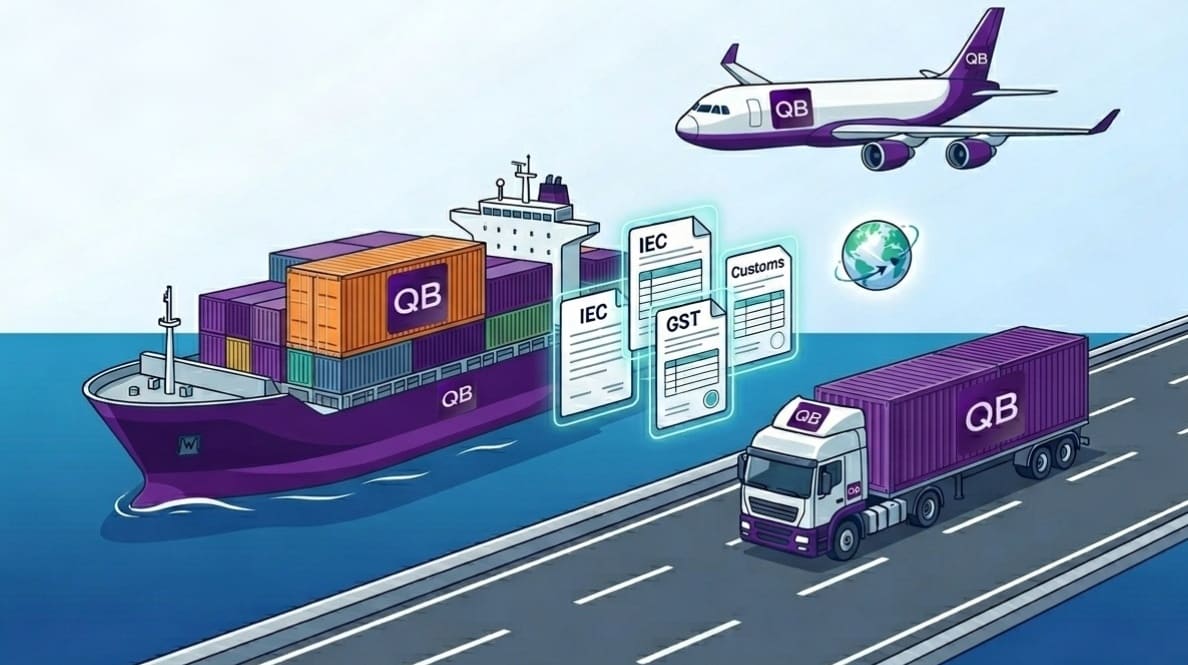
1. IEC (Import Export Code) Registration
The Importer-Exporter Code (IEC) is your primary identity in global trade. It is mandatory for anyone looking to import or export commercial goods and services from India.
- Issuing Authority: Directorate General of Foreign Trade (DGFT).
- Validity: A 10-digit code with lifetime validity (Mandatory annual electronic update required).
- Application: Entirely online via the DGFT portal.
2. GST for Import-Export
Unlike domestic trade, GST registration is mandatory for all import-export entities regardless of turnover. To optimize cash flow, utilize the Letter of Undertaking (LUT).
- LUT Filing: Allows you to export goods/services without paying IGST upfront, keeping your working capital free.
- Import IGST: Paid at the time of customs clearance but can be claimed back as Input Tax Credit (ITC).
- Filing: Monthly GSTR-1 and GSTR-3B filings are non-negotiable.
3. Customs Compliance
Smooth customs clearance depends on precision. Errors at the port can lead to heavy demurrage and detention charges.
- Documentation: File a Bill of Entry for imports and a Shipping Bill for exports via the ICEGATE portal.
- HSN Classification: Ensure every product uses the correct 8-digit HSN code to avoid misclassification penalties.
- DGFT Rules: Check the current Foreign Trade Policy for restricted or prohibited goods.
4. Ongoing Compliance & Record Keeping
Compliance doesn't end when the shipment leaves the port. In 2026, automation makes auditing easier for authorities, so your records must be impeccable.
- Annual Return: File GSTR-9 for GST reconciliation.
- Annual IEC Update: Confirm or update IEC details on the DGFT portal every year between April and June to keep the code active.
- Data Storage: Both Customs and GST laws require you to maintain all trade records (invoices, shipping bills, bank certificates) for at least 6 years.
- E-BRC: Ensure your bank issues the Electronic Bank Realization Certificate (e-BRC) for all export proceeds.
Ready to Import-Export?
Need help with import-export compliance? Consult Our Experts today.
